
Ever felt like you’re flying blind trying to understand how your business phone system is performing? You’re not alone. Many businesses miss out on actionable insights simply because their call analytics dashboard updates aren’t up to speed—or worse, they’re ignoring them entirely.
In this post, we’ll dive deep into why call analytics dashboard updates are the unsung heroes of modern business communication. We’ll explore common pain points, offer actionable steps to optimize your dashboard, and share tips that could save you from a sales disaster waiting to happen. By the end, you’ll know exactly how to turn data into dollars.
Table of Contents
- Why Call Analytics Dashboard Updates Matter
- How to Set Up Real-Time Call Analytics Dashboard Updates
- Best Practices for Leveraging Call Analytics Data
- Real-World Success Stories
- Frequently Asked Questions About Call Analytics Dashboards
Key Takeaways
- Outdated dashboards cost time and money—stay updated.
- Call analytics drive smarter decision-making in customer service and sales.
- Setting up real-time updates isn’t as hard as it seems.
- Avoid overloading your team with useless metrics—focus on what moves the needle.
Why Call Analytics Dashboard Updates Matter
I once worked with a client who swore by their legacy phone system because “it worked fine.” Spoiler alert: It didn’t. Their outdated call analytics dashboard failed to show critical trends like peak call times or average wait durations. As a result, customers were frustrated, agents burned out, and revenue tanked faster than my last attempt at sourdough baking.
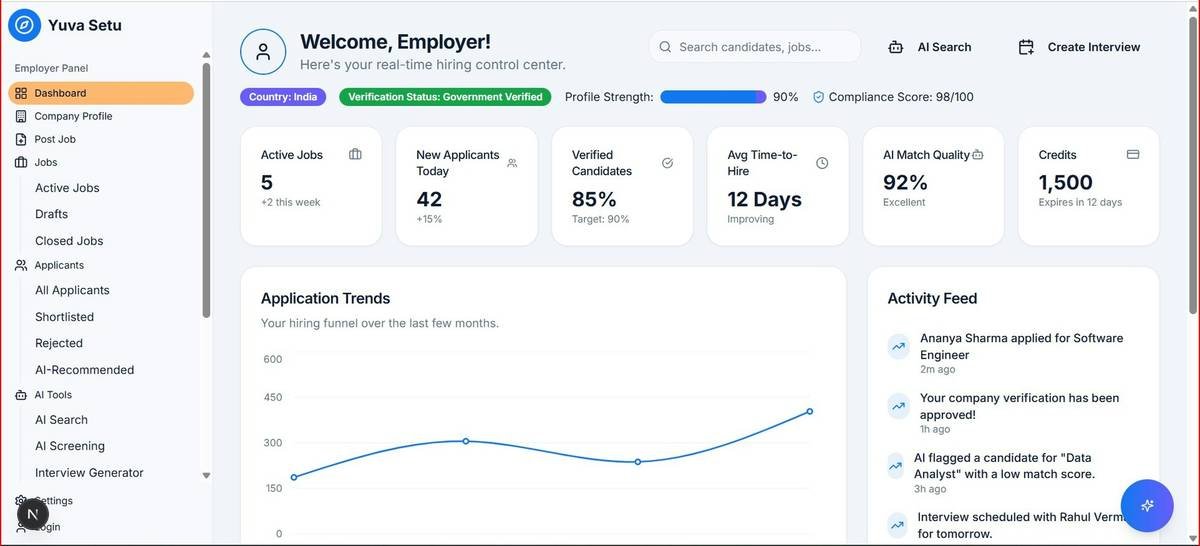
The problem isn’t just about technology—it’s about missed opportunities. Without regular call analytics dashboard updates, you risk:
- Failing to spot bottlenecks before they become major issues.
- Ignoring customer feedback hidden in call patterns.
- Losing competitive edge due to poor responsiveness.
Grumpy You: “Ugh, I hate fixing tech problems.” Optimist You: “Imagine saving hours every week instead of firefighting!”
How to Set Up Real-Time Call Analytics Dashboard Updates
Step 1: Choose the Right Tool
Your first step is finding software that supports automatic call analytics dashboard updates. Some popular options include:
- HubSpot CRM: Integrates seamlessly with VoIP systems.
- Aircall: Great for remote teams needing live metrics.
- RingCentral: Offers robust customization options.
Step 2: Connect Your Phone System
Sync your current business phone setup with your chosen platform. Most tools offer easy-to-follow integration guides—but don’t hesitate to contact support if you run into trouble.
Step 3: Customize Metrics
Select which KPIs matter most for your business. Focus on high-value areas like:
- First Call Resolution Rate.
- Average Handle Time.
- Customer Satisfaction (CSAT) Scores.
Pro Tip: Don’t go overboard! Tracking too many metrics can overwhelm your team.
Best Practices for Leveraging Call Analytics Data
#1: Regularly Review Trends
Schedule weekly reviews to identify anomalies or emerging patterns. For instance, spotting a sudden spike in dropped calls during lunch hours might reveal understaffing issues.
#2: Share Insights Across Teams
Make sure everyone—from sales reps to IT staff—understands what these numbers mean. Knowledge silos kill productivity faster than you can say “spreadsheet spaghetti.”
#3: Use Visualizations Wisely
Pie charts? Meh. Heatmaps? Chef’s kiss. Invest in visually compelling dashboards that make data digestible even for non-techies.
Warning Sign:
Terrible Tip Alert: Ignoring mobile access? Big mistake. Make sure your dashboard works smoothly on tablets and phones—your field team will thank you.
Real-World Success Stories
Take Sarah, a small business owner running an e-commerce store. After implementing automated call analytics dashboard updates, she discovered her busiest hour coincided with agent breaks. By rescheduling those breaks, her conversion rate jumped 15% within weeks!
Another case involves Company X, whose outdated system led to frequent complaints about long hold times. A revamped dashboard helped them track response efficiency, reducing average wait time by 40 seconds per call—a game-changer for customer satisfaction.
Frequently Asked Questions About Call Analytics Dashboards
Q: How often should I update my dashboard?
A: Ideally, aim for real-time reporting, but daily summaries also work well for smaller teams.
Q: What’s the biggest rookie mistake?
A: Assuming all metrics matter equally. Pick three to five core KPIs and focus there.
Q: Does this work for solo entrepreneurs?
A: Absolutely! Even one-person operations benefit from understanding caller behavior.
Conclusion
Updating your call analytics dashboard isn’t optional—it’s essential. When leveraged correctly, it transforms raw data into actionable strategies, boosting both productivity and profitability.
Rant Break: Seriously, stop using spreadsheets as your only insight tool; it’s 2023!
To recap:
- Choose tools wisely.
- Customize relevant metrics.
- Review trends consistently.
And remember: Like Pokémon cards, your data only grows more valuable when played right. Catch ‘em all!
Random Haiku: Numbers tell stories
Data flows, wisdom grows
Dashboard light shines bright